PROJECT DELIVERY
Make Every Handoff Visible
From design freeze through supplier production, packing and installation support, our procurement role is to coordinate the questions and records that keep the handoffs clear.
From design freeze through supplier production, packing and installation support, our procurement role is to coordinate the questions and records that keep the handoffs clear.
“A delivery plan is useful only when each party knows which decision belongs to them.”
The buyer and its engineer establish the project design basis. We can collect drawings, quantities, delivery terms and document requirements into an RFQ package. The shortlisted supplier then confirms its technical scope and proposed production schedule. Any unresolved design assumption stays visible in the comparison matrix.
We coordinate review dates for samples, inspection checkpoints, packing lists and shipment documents. Fabrication quality, structural calculations and code compliance remain the selected supplier's and relevant professionals' responsibilities. The buyer approves each contractual milestone.
The project team can use an RFQ checklist with design wind speed, ground snow load, seismic basis, clear span, eave height, main frame steel grade and coating requirements. Request units and reference conditions for each value. Where an insulated roof or wall is in scope, request assembly thermal transmittance and system-level fire evidence instead of a bare panel label.
Are span, eave height, wind, snow, seismic, fire and foundation criteria documented for the destination? Who owns design approval?
Which steel grades, coating specification, connection drawings and inspection records will the supplier provide?
How are parts marked, bundled, protected and sequenced for the site? Which Incoterms and destination port apply?
Which unloading equipment, lifting plan, erection guide and local permits are required before installation begins?
Design freeze is a decision point, not simply a date on a schedule. The buyer should confirm the building use, dimensions, clearances and location-specific loads before releasing a supplier to prepare final fabrication documents. Changes after this gate can affect steel tonnage, roof geometry, anchor layout and freight volume.
Production records should be requested in a way that can be checked. Material certificates need to correspond to the steel actually supplied. Inspection checklists should identify the relevant member or batch, and coating records should refer to the agreed finish. We can coordinate requests and review gaps, while the supplier remains accountable for its own manufacturing work.
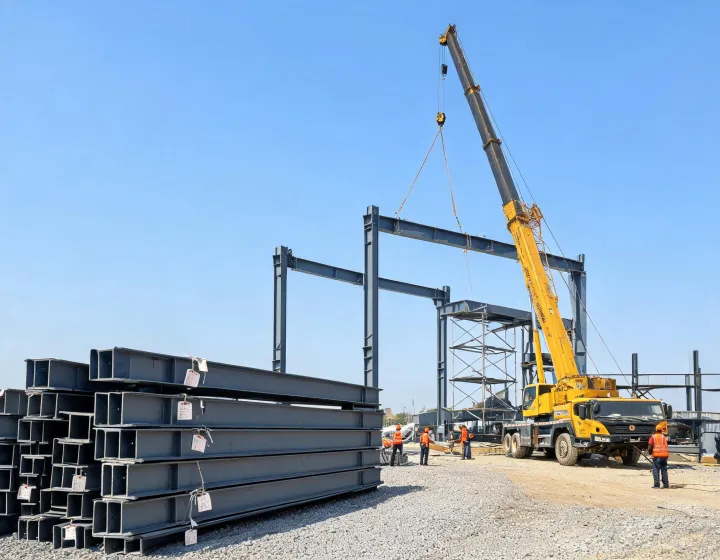
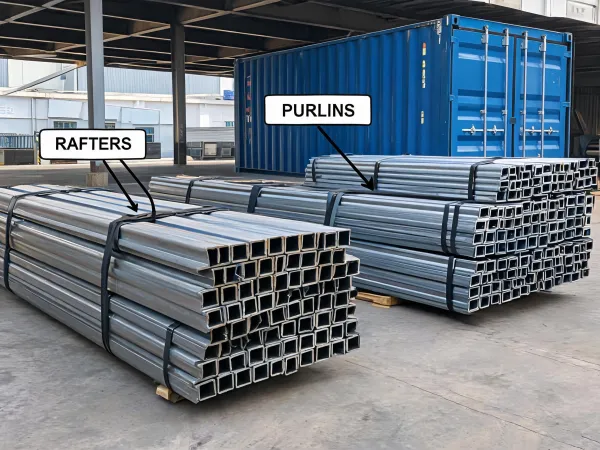
Packing should follow the intended erection sequence where feasible. Clear tags on primary members, secondary framing, panels and fasteners help the site team identify missing or damaged items before lifting begins. The agreed shipping documents should show package counts, weights, dimensions and destination information.
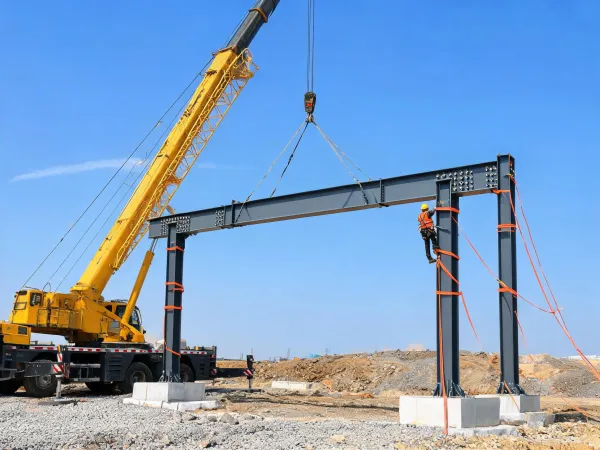
On-site installation depends on work outside the export package. Foundation tolerances, crane capacity, weather, local labor and permits have to be arranged by the project team. The supplier may provide erection drawings and guidance, but the buyer and local professionals must determine the actual safe installation method and legal approval path.

Share the building use, destination country, clear span, design loads, envelope scope and delivery window. We will organize a supplier comparison around the same project basis.